

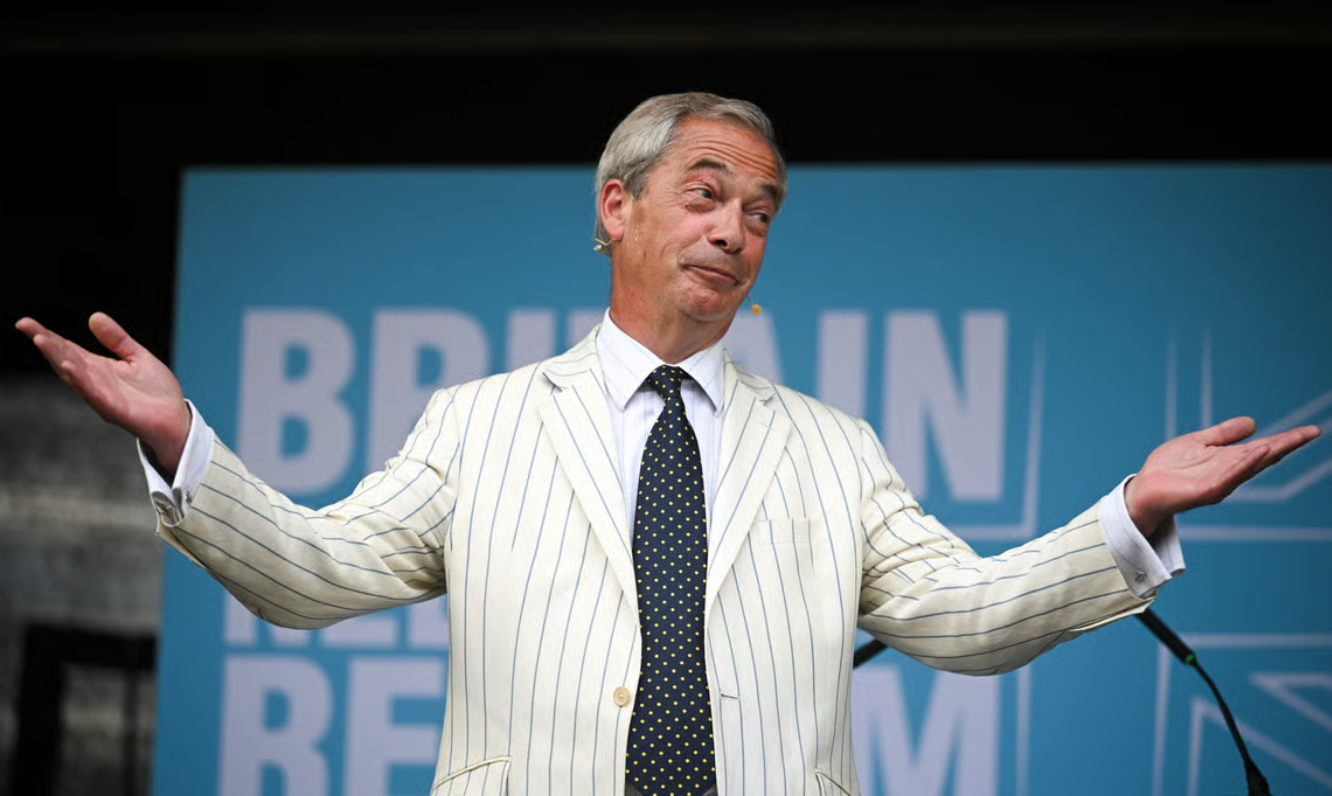
Nigel Farage is one of the most recognizable and controversial figures in modern British politics. Known for his outspoken communication style and strong views on national sovereignty and immigration, Farage has played a major role in shaping political debates in the United Kingdom over the past two decades.
Early Political Career
Nigel Farage began his political career in the early 1990s as a founding member of the UK Independence Party (UKIP). At the time, UKIP was a small political movement focused mainly on advocating for the United Kingdom to leave the European Union.
Farage, a former commodities trader, brought strong media presence and direct communication to the party, helping it gain national attention. Over time, he became one of UKIP’s most prominent leaders and public faces.
Rise to National Prominence
Farage’s popularity grew as debates about Britain’s relationship with the European Union intensified. He served as a Member of the European Parliament for many years, using the platform to criticize EU institutions and promote British independence.
His speeches in the European Parliament often attracted significant media attention due to his blunt and sometimes confrontational style. Supporters viewed him as a politician willing to say what others avoided, while critics accused him of oversimplifying complex political issues.
The Brexit Movement
Nigel Farage became one of the most visible figures associated with the Brexit campaign leading up to the 2016 referendum on whether the UK should leave the European Union. Although he was not officially part of the main Leave campaign leadership, his long-standing advocacy for Brexit made him a central public figure in the debate.
When the referendum resulted in a vote to leave the EU, many supporters credited Farage with helping bring the issue into mainstream politics after years of campaigning.
Controversies and Criticism
Farage’s political career has frequently been accompanied by controversy. His comments and campaign strategies have often sparked criticism, particularly regarding immigration and national identity.
Critics argue that his rhetoric sometimes contributed to political division and polarization. Supporters, however, believe he addressed concerns that mainstream political parties had ignored for years.
These opposing views have made Farage both influential and highly controversial in British public life.
Media Presence Beyond Politics
In addition to politics, Farage has maintained a strong media presence through television, radio appearances, and commentary roles. His ability to attract attention and generate debate has kept him relevant even when not holding political office.
His transition between politics and media has also drawn criticism from opponents who question the relationship between political influence and media exposure.
A Polarizing Legacy
Nigel Farage’s influence on British politics is undeniable. Whether praised as a champion of political change or criticized as a divisive figure, his impact on national debate and policy direction remains significant.
As British politics continues to evolve after Brexit, Farage remains a figure capable of shaping discussions and drawing strong reactions from both supporters and critics.
Looking Ahead
The future role of Nigel Farage in British politics remains uncertain, but his ability to influence political conversations suggests he will likely remain part of public debate for years to come.
His career represents both the power and controversy that outspoken political figures can bring to modern democratic societies.