

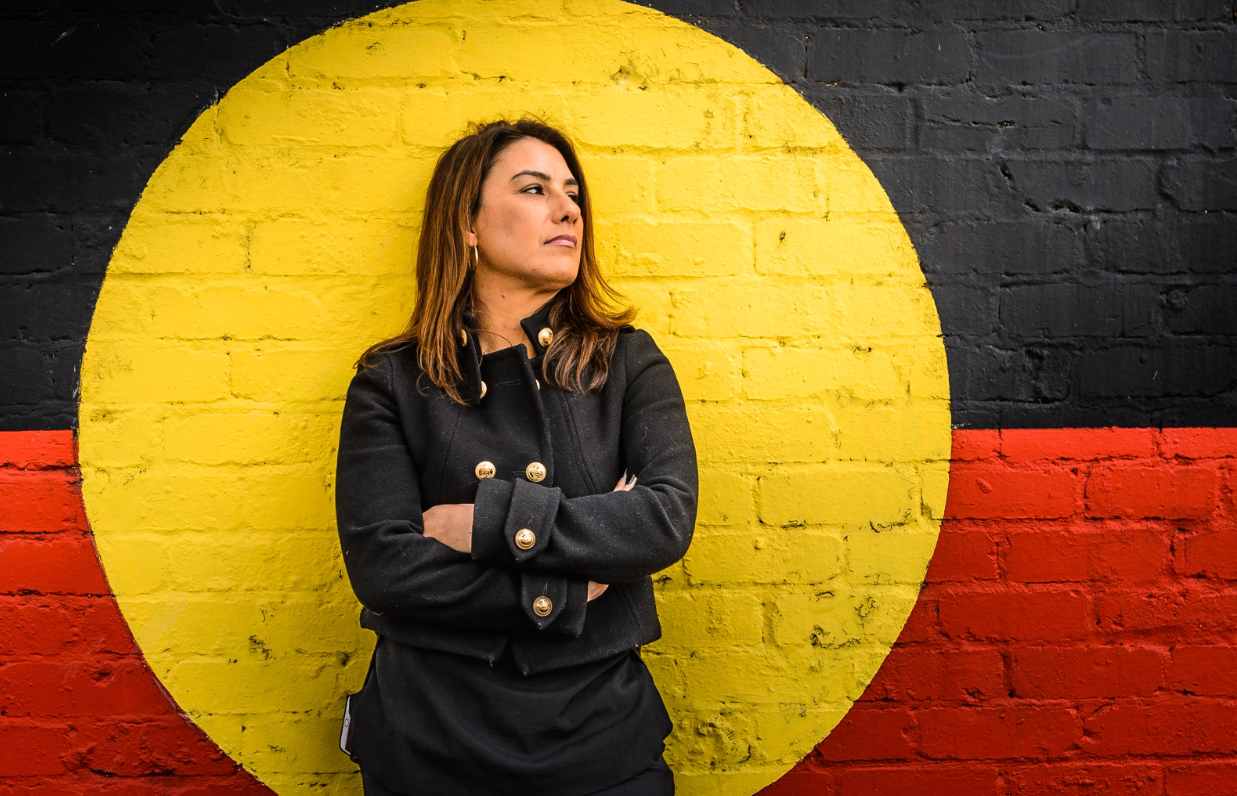
Lidia Thorpe has emerged as one of the most outspoken and polarizing figures in contemporary Australian politics. A proud Gunnai, Gunditjmara, and Djab Wurrung woman, Thorpe has built her political career around advocacy for Indigenous sovereignty, environmental protection, and systemic reform.
Born in 1973 in Victoria, Australia, Thorpe’s activism is deeply rooted in her personal and cultural background. Before entering politics, she worked extensively in community development and Indigenous advocacy, focusing on issues such as land rights, youth empowerment, and cultural preservation. This grassroots experience has informed her confrontational and unapologetic approach within formal political institutions.
Thorpe made history in 2017 when she became the first Aboriginal woman elected to the Victorian Parliament. Her election represented a significant milestone, not only symbolically but also substantively, as she brought Indigenous perspectives directly into legislative processes.
In 2020, Thorpe was appointed to the Australian Senate, further amplifying her platform. During her tenure, she has been known for challenging institutional norms and openly criticizing government policies related to Indigenous affairs. Her speeches often emphasize the need for treaty, truth-telling, and recognition of sovereignty—issues that remain central to Australia’s ongoing reconciliation efforts.
Thorpe’s political style is deliberately confrontational. She frequently disrupts parliamentary conventions to draw attention to systemic injustices, a strategy that has garnered both praise and criticism. Supporters view her as a necessary force for change, willing to speak truths that others avoid. Critics, however, argue that her approach undermines constructive dialogue.
One of the defining aspects of Thorpe’s career is her stance on Indigenous sovereignty. Unlike more moderate political figures, she rejects symbolic gestures in favor of substantive structural change. Her opposition to certain government initiatives, including constitutional recognition without treaty, highlights a broader debate within Australia about the path toward reconciliation.
Beyond parliament, Thorpe remains actively engaged in activism, participating in protests and community movements. This dual role—both insider and outsider—allows her to bridge institutional politics and grassroots advocacy, though it also places her at the center of ongoing controversy.
Lidia Thorpe’s impact on Australian politics cannot be understated. Whether viewed as a disruptive force or a courageous advocate, she has undeniably shifted the conversation around Indigenous rights. Her presence challenges traditional power structures and compels both policymakers and the public to confront uncomfortable truths about Australia’s history and future.