

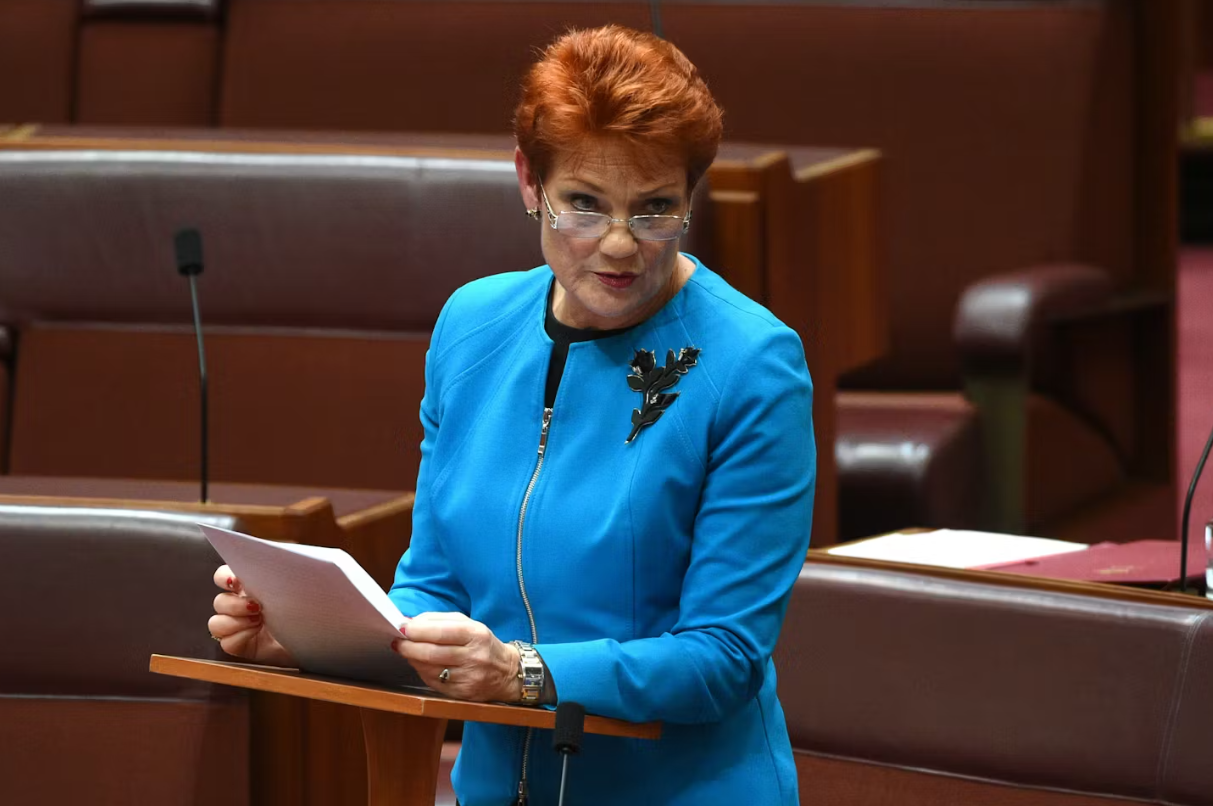
Pauline Hanson is one of the most recognizable and polarizing figures in Australian politics, known for her long-standing influence on national debates around immigration, identity, and governance. As the founder and leader of the One Nation party, Hanson has played a significant role in shaping populist discourse within Australia.
Hanson first rose to prominence in the 1990s, capturing public attention with her outspoken views and willingness to challenge established political norms. Her early success highlighted a growing dissatisfaction among segments of the electorate who felt disconnected from mainstream parties. By articulating these concerns, Hanson positioned herself as a voice for those who believed their perspectives were being overlooked.
Over the decades, her political career has been marked by both setbacks and resurgence. Despite periods of decline, Hanson has repeatedly returned to relevance, demonstrating a level of political resilience that few figures achieve. This persistence underscores her ability to adapt her messaging to changing social and economic conditions while maintaining a consistent core identity.
Central to Hanson’s appeal is her direct communication style. She often speaks in a manner that is straightforward and unfiltered, which resonates with supporters who value clarity over political nuance. This approach, however, also contributes to her polarizing reputation, as critics argue that her rhetoric can oversimplify complex issues or contribute to social division.
Hanson’s influence extends beyond electoral success. Even when not holding significant legislative power, her presence in the political arena has shaped the agendas of major parties, particularly on issues related to immigration and national identity. This ability to influence discourse reflects the broader impact of populist movements in democratic systems.
At the same time, her career raises important questions about the role of populism in modern politics. Supporters view her as a necessary disruptor who challenges entrenched systems, while critics see her as a source of division. This dual perception highlights the complexity of her legacy.
In the context of contemporary Australian politics, Pauline Hanson represents more than an individual politician—she embodies a broader movement that seeks to redefine the relationship between citizens and institutions. Her continued relevance demonstrates the enduring power of voices that operate outside traditional political frameworks.